


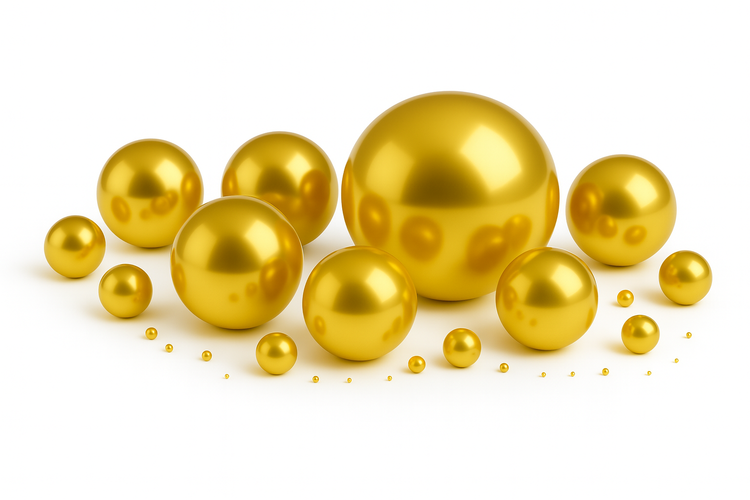
Brass Balls for Valves, Instruments and Mechanical Parts
REDHILL supplies brass balls in C26000, C27000 and naval brass grades. These copper-zinc alloys conduct heat and electricity and offer useful corrosion resistance. However, the right grade depends on the fluid, temperature and load.
Brass Balls C26000 – 70/30 Cartridge Brass
C26000 combines good formability with strength. Cold working increases its hardness and strength. Therefore, the final temper matters when setting load limits.
- Composition: Copper 68.5–71.5%, zinc balance, with limits on other elements.
- Density: Approximately 8.53 g/cm³.
- Electrical Conductivity: Approximately 28% IACS at 20°C (68°F).
Brass Balls C27000 – 65/35 Yellow Brass
C27000 yellow brass contains about 65% copper and 35% zinc. Like C26000, it gains strength through cold working. As a result, compare both alloys in the required temper before choosing one.
- Composition: Copper 63.0–68.5%, zinc balance, with limits on other elements.
- Density: Approximately 8.47 g/cm³.
- Electrical Conductivity: Approximately 27% IACS at 20°C (68°F).
Naval Brass Balls C46400 – Copper-Zinc Alloy with Tin
C46400 naval brass contains a small amount of tin. This addition helps reduce zinc loss, known as dezincification, in some waters. For this reason, engineers use naval brass in marine valves, pumps and hardware.
- Composition: Copper 59.0–62.0%, tin 0.5–1.0%, zinc balance, with limits on other elements.
- Density: Approximately 8.41 g/cm³.
- Electrical Conductivity: Approximately 26% IACS at 20°C (68°F).
However, water chemistry and flow still affect service life. Therefore, check the alloy against the actual water conditions.
Material Properties and Selection
The figures above are typical reference values. Hardness and tensile strength vary with temper and final processing. Therefore, confirm these values for the finished balls. In addition, choose the surface finish and lubrication to match the load, motion and mating material.
These brass grades are non-magnetic. However, ammonia can cause cracking in brass under stress, so fluid compatibility remains part of material selection.
Applications of Brass Balls
For example, common uses include:
- Valves and Pumps: Check balls and seats for suitable water and dosing systems.
- Electrical Devices: Conductive parts for contacts, switches and meters.
- Marine Systems: Selected naval brass balls for valves, pumps and instruments.
- Mechanical Assemblies: Guides, light-duty bearings and moving parts.
Available Grades and Sizes
We supply standard metric and inch sizes. We can also review custom diameters, tolerances and finishes. See our precision grade guide for tolerance definitions.
Finally, send us your alloy, diameter, ball grade, quantity and working conditions. We can then confirm availability, lead time and delivery options.